
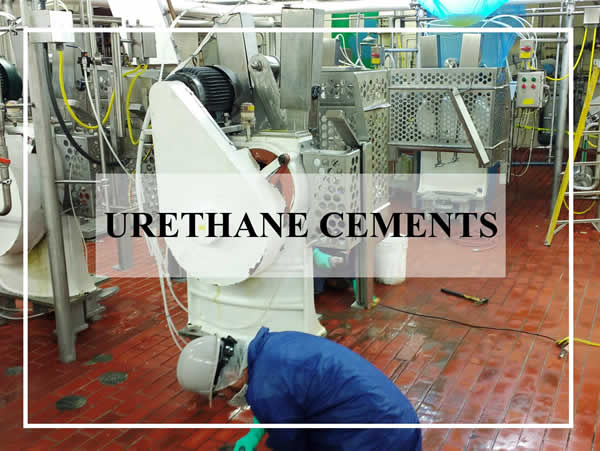
Your floor is a critical infrastructure component. We provide the full lifecycle of flooring care from initial installation of thermal-shock-resistant systems to routine maintenance and emergency repairs. We know your production demands, and we minimize your downtime by working around your shifts. From high-performance installations to rapid-response repairs, we ensure your facility stays SQF, USDA/FDA compliant and operational.
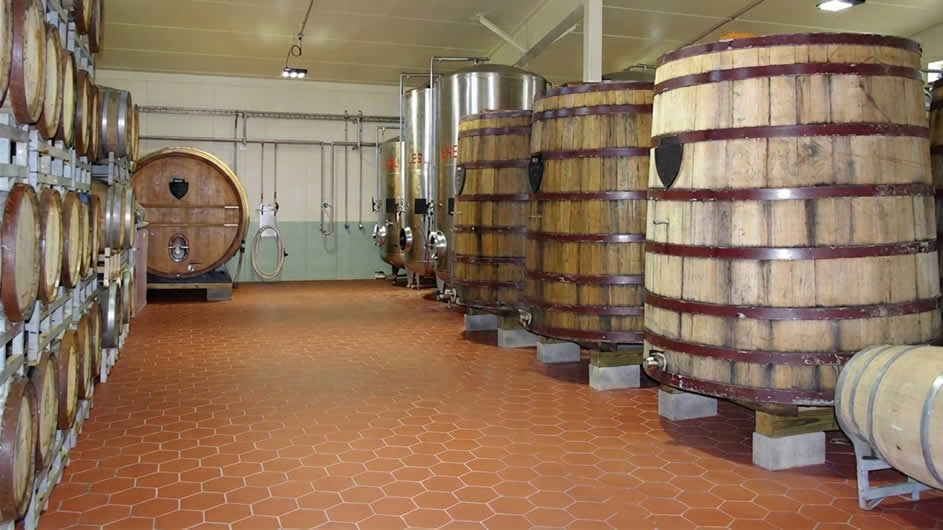
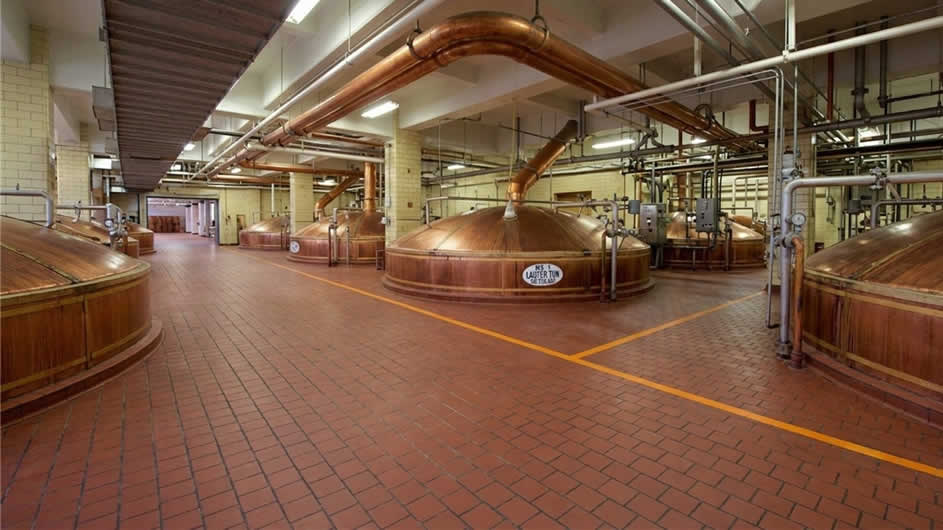
With 73 years of Wisconsin-based experience, we understand that production downtime is not an option. We specialize in flooring solutions designed specifically for the rigorous demands of food processing.
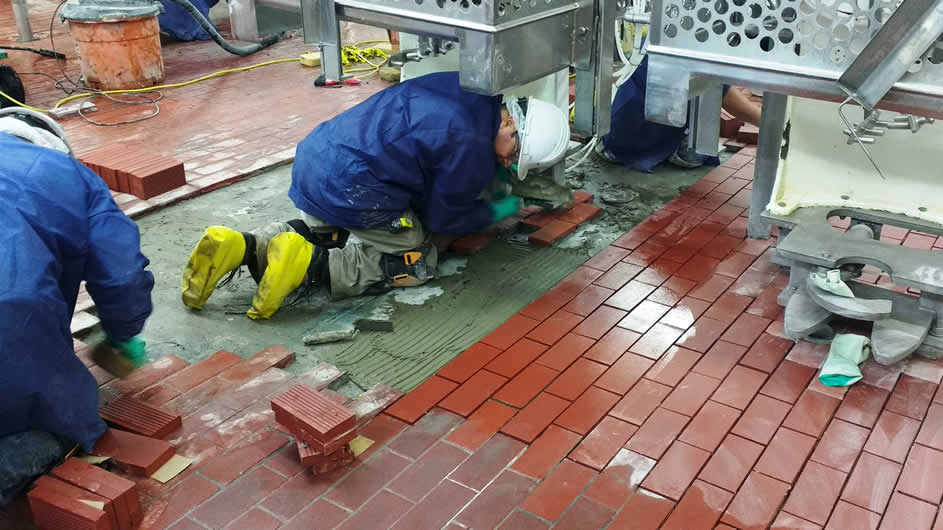
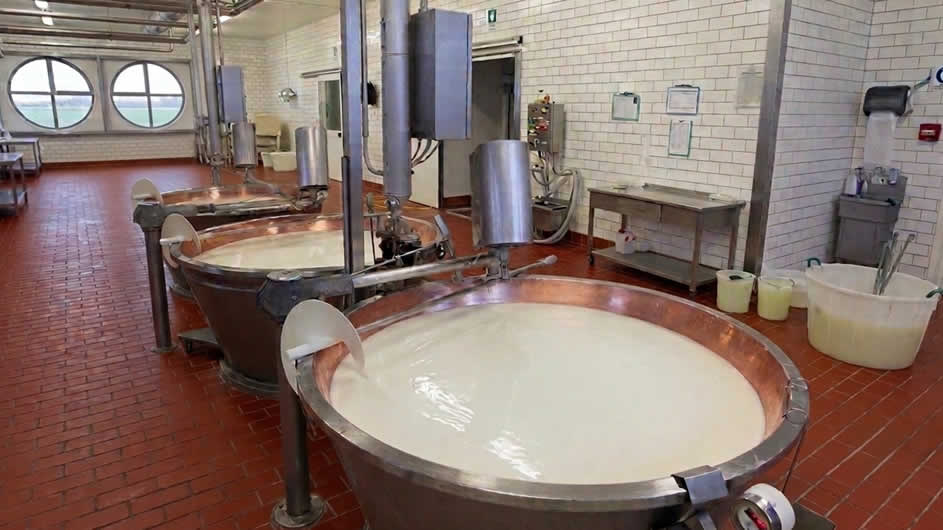
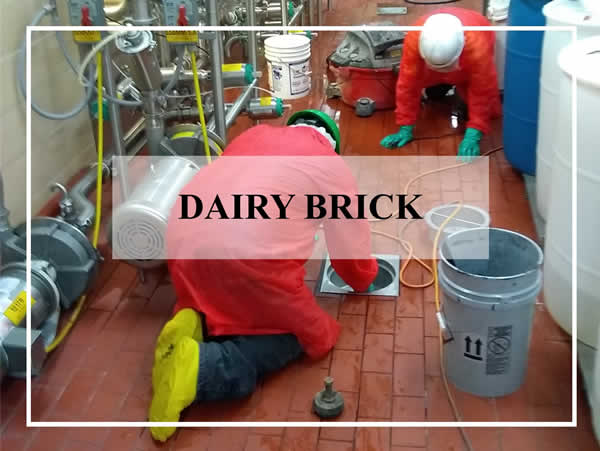
Before resin coatings existed, America's dairy industry was built on brick and tile. Those floors helped produce generations of award-winning cheeses and continue to serve facilities decades later.
When visitors walk through your facility, what tells your story better - a painted floor or the same acid-resistant tile generations of cheesemakers walked on?
Just as breweries showcase copper kettles and wineries preserve timber beams, cheese makers can showcase the original dairy tile that has stood up to decades of production. It isn't just functional, it's part of the architecture of industrial America communicating longevity, quality, and craftsmanship. While coatings come and go, authentic dairy tile remains a symbol of Wisconsin's proud dairy tradition. We don't just install industrial flooring. We preserve the legacy beneath your feet while keeping your plant USDA compliant!
| Services | Goal | Expertise |
|---|---|---|
| New Installation | Long-Term Compliance | Industrial Flooring Systems, Coved Bases |
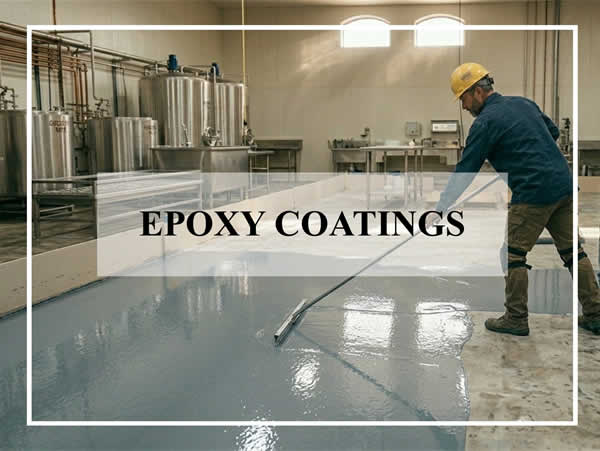
| Preventative Maintenance | Protecting Your Investment | Crack Sealing, Join Filling, Specialized Recoating |
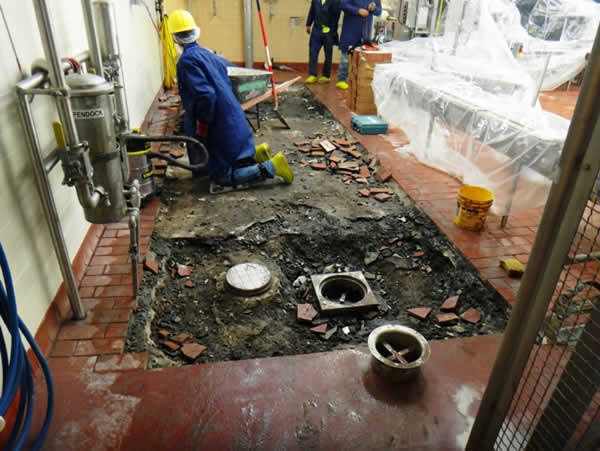
| Emergency Repair | Rapid Recovery | Fast-Cure Polymer Systems for Quick Turnaround |
We don't just meet the standard; we build to exceed it. When you work with BYCO, you are working with a local team that knows the intensity of a Wisconsin food plant. From the time we step onto the job to the final inspection, we ensure your flooring stands up to the most rigorous health and safety requirements.
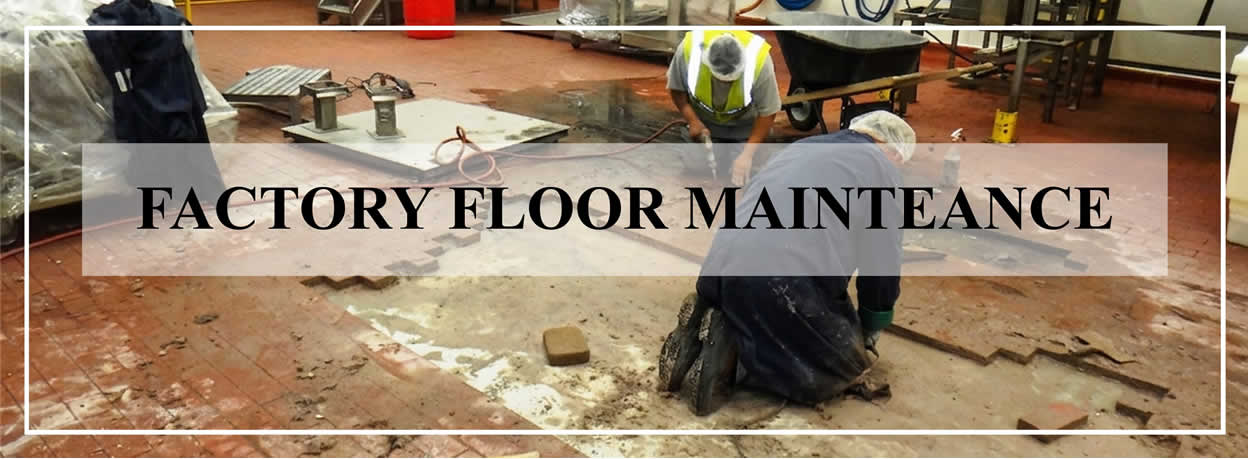
Factory floor maintenance refers to the routine tasks and procedures aimed at preserving, repairing, and enhancing the condition of the flooring used in manufacturing or industrial environments. It includes regular assessments, cleaning, repairs, and preventive measures to ensure safety and longevity.
Maintaining the factory floor is crucial for several reasons:
Regular assessments of factory floors are recommended at least twice a year. However, the frequency may increase depending on the level of activity, type of flooring, and exposure to harmful chemicals or spills. More frequent assessments can help catch issues before they escalate.
Different flooring materials call for distinct maintenance strategies:
Handling repairs involves several steps:
Effective cleaning helps prolong the life of factory floors. Here are some best practices:
Absolutely. By implementing a thorough maintenance schedule, facilities can anticipate and address issues before they disrupt operations. This proactive approach minimizes unplanned downtimes caused by accidents or repairs.
Using high-quality materials is essential for effective maintenance. Recommended materials include:
Creating a factory floor maintenance plan begins with:
By prioritizing factory floor maintenance, you create a safer, more efficient working environment conducive to productivity. If you have more questions or need practical solutions, reach out to BYCO One for expert advice and services tailored to your specific needs.
BYCO offers factory floor maintenance services throughout much of Southern Wisconsin. Some of our projects include the cities of Appleton, Beaver Dam, Columbus, Fond Du Lac, Madison, Menomonee Falls, Milwaukee, Monroe, Muskego, Oconomowoc, Oshkosh, Watertown, Waukesha, Waupun, West Bend, and surrounding areas in Wisconsin.
Implementing a successful maintenance program involves considering various elements unique to your factory environment. Here are key tips for effective factory floor care:
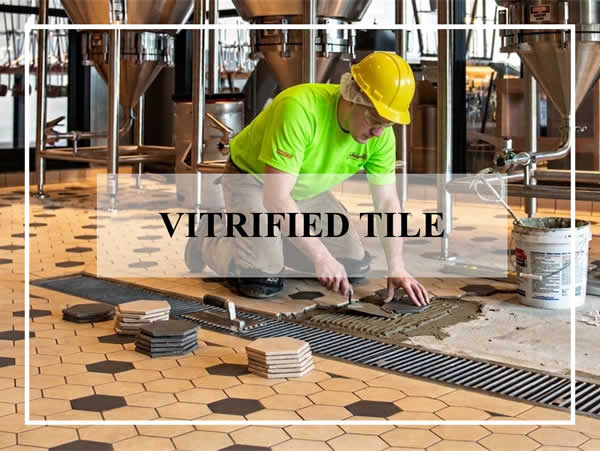
Investing in a proper factory floor maintenance program will not only enhance the aesthetic appeal of your facility but will also improve safety and productivity. By prioritizing routine assessments, targeted repairs, and appropriate maintenance for various flooring types such as industrial bricks, epoxy grout, and vitrified tile, your Wisconsin-based factory will thrive.
Ready to elevate your factory floor maintenance? Contact BYCO One today for tailored solutions that keep your operations safe and efficient!
© Copyright BYCO One. All Rights Reserved. Website Design.
Contact Information: